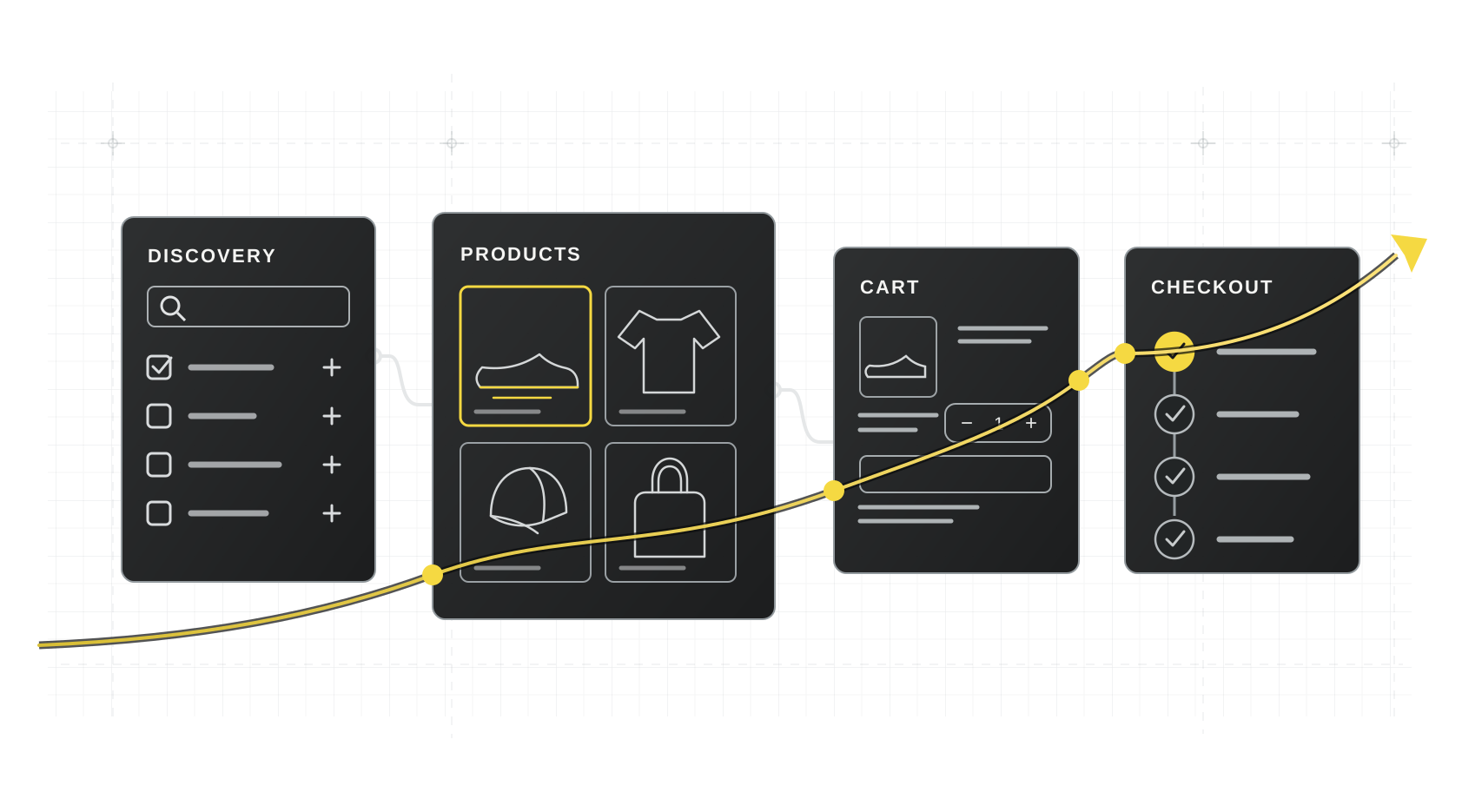
Catalog architecture that scales
Categories, attributes, filters, search, and product relationships organized around how customers actually shop — not how the internal database happens to be structured.
Shopify, WooCommerce, Magento, and custom commerce for brands where product discovery, conversion, and operations all have to work together.
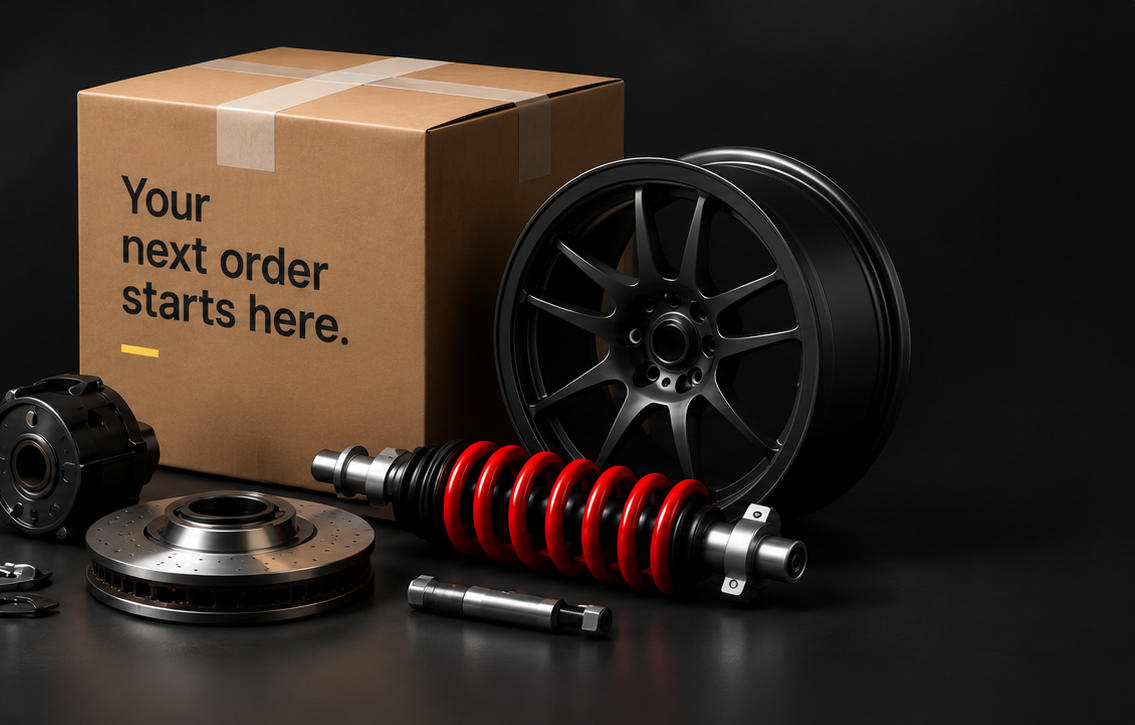
An eCommerce site is not just a website with a cart attached. Product taxonomy, search, category architecture, merchandising, mobile UX, promotions, CRM, analytics, fulfillment, and SEO all affect whether the store actually works as a revenue engine.
Built approaches commerce as one connected system. We start with how customers find products and make decisions, then connect the design, platform, integrations, and search architecture around that path.
That can mean rebuilding a fragmented catalog, improving an existing store, migrating platforms, integrating a CRM or ERP, or replacing an expensive third-party tool with something lighter and better matched to the business.
Built has been instrumental with our digital needs. They rescued our e-commerce site and transformed it from a slow, unnavigable mess into a fast, user-friendly system with powerful features that have boosted both our conversions and our average order value.
Categories, attributes, filters, search, and product relationships organized around how customers actually shop — not how the internal database happens to be structured.
Product listing, product detail, cart, checkout, mobile, and merchandising patterns designed to remove friction and make the next action obvious.
Shopify, WooCommerce, Magento, or custom architecture selected around business requirements, then connected to the systems that need to move with it.
SEO architecture, analytics, conversion events, and reporting planned with the build so acquisition and optimization do not become post-launch cleanup work.
We review platform health, catalog structure, product discovery, analytics, integrations, mobile UX, SEO, and operational friction before recommending a rebuild.
Taxonomy, navigation, filtering, search, merchandising, and key conversion flows are mapped before visual design or platform implementation starts.
UX, interface design, development, data migration, integrations, and technical SEO move together against one shared plan and staging environment.
We QA the full purchase path, preserve search equity, validate tracking, launch carefully, then use real behavior and revenue data to improve what matters.

+35% conversion rate YoY after consolidating seven sites into one commerce system.
View project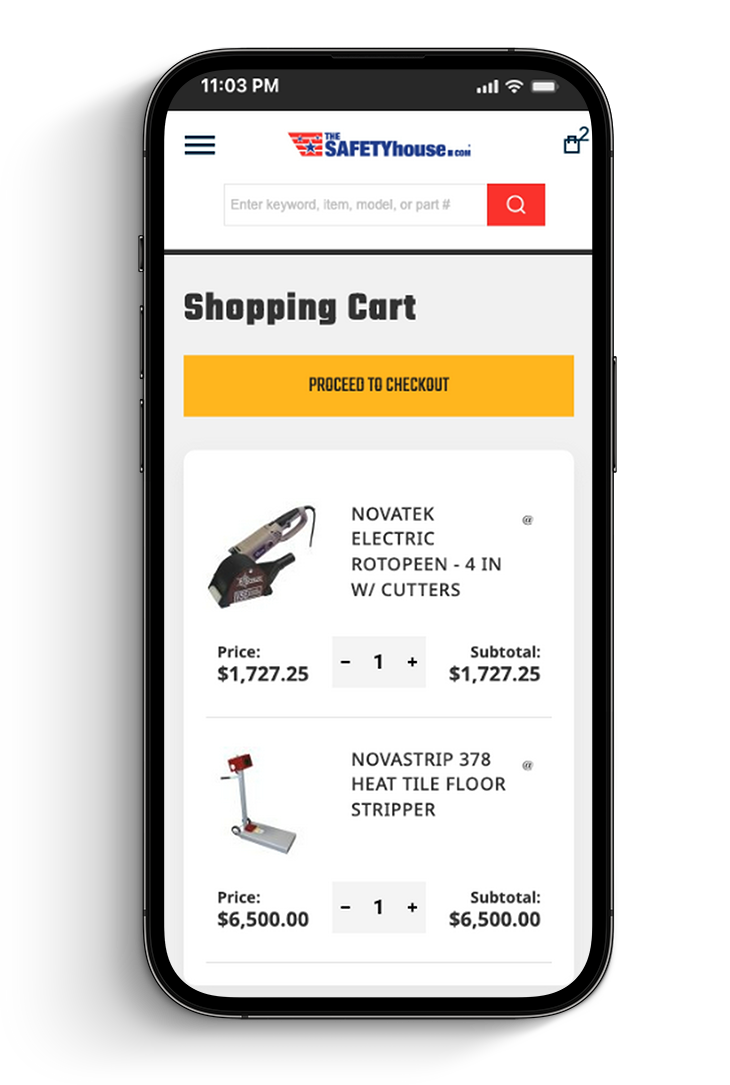
+38% organic sessions after reconnecting product discovery, UX, site architecture, and SEO.
View project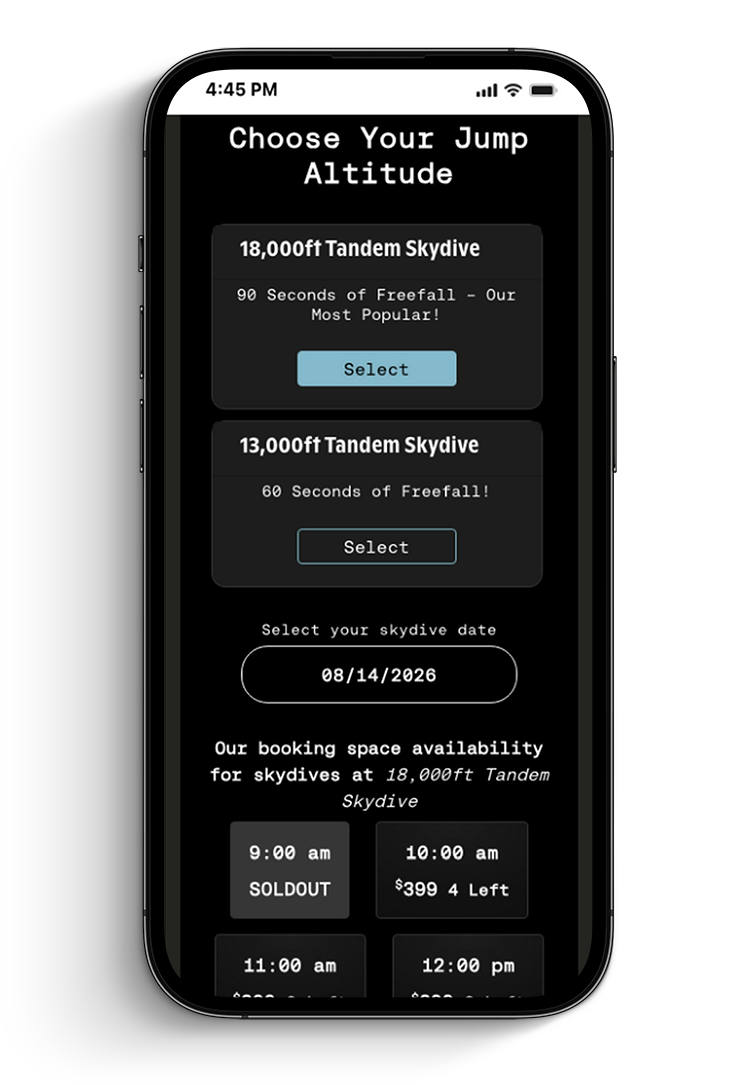
16 weeks from brand work to a custom booking system built around the operation.
View projectIt depends on the catalog, operational requirements, team, integrations, budget, and where the business is going. Built works across Shopify, WooCommerce, Magento, and custom implementations, so the recommendation starts with the business requirements rather than a preferred platform.
That is part of the migration plan. Existing URLs, indexed categories, product pages, metadata, internal links, structured data, redirects, and Search Console performance are mapped before launch so organic equity is protected as much as possible.
Yes. Complex catalogs are often where the biggest gains are available. We work through taxonomy, attributes, filtering, faceted navigation, internal search, category architecture, product relationships, and the data model before the interface is finalized.
Yes. Integrations are treated as part of the commerce system rather than isolated add-ons. Scope depends on the specific tools and APIs, but CRM, marketing automation, analytics, search, inventory, booking, and custom integrations are common parts of our work.
A rebuild is not the default answer. If the underlying platform and architecture are sound, focused UX, CRO, search, performance, taxonomy, SEO, or integration work can often produce a better return with less disruption.
Tell us where the friction is — product discovery, conversion, platform, integrations, SEO, or operations. We’ll tell you where we would start.