
Conversion-aware UX wireframes
Page structure mapped to the buyer’s decision path, with every section answering a specific question at the right point in the scroll.
Clean, high-credibility websites built around how your customers actually evaluate, decide, and convert.
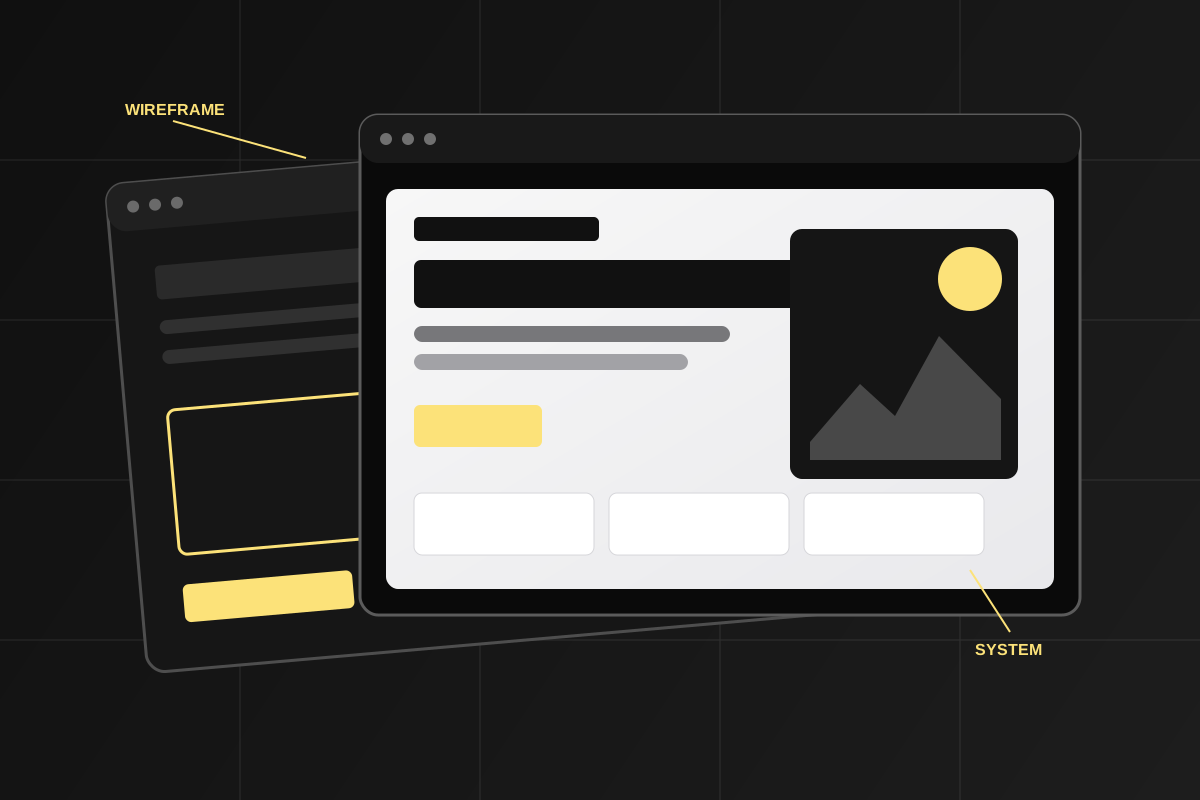
Most sites we audit have the same problem: they were designed for an internal audience — founders, stakeholders, the marketing team — instead of the actual buyer. The result is a site that looks coherent inside the organization but doesn’t make the case to someone landing for the first time.
Built designs the other direction. We map the buyer’s decision path, then build the visual system, components, and interactions around that path.
A site has roughly six seconds to earn the next scroll. Visual design is part of that, but the bigger lever is whether the page tells the visitor what to do, who it’s for, and why staying is worth their time. Every screen is wired to a job, and the work is built to ship — not to win a design award.
We wanted to work with a team that knew aviation, the different needs and markets for our flight school and FBO. Built fit that bill.
Page structure mapped to the buyer’s decision path, with every section answering a specific question at the right point in the scroll.
Typography, color, spacing, interaction, and component patterns designed to work together as a coherent system.
Documented patterns your team can extend without the site becoming inconsistent as new pages and features are added.
A clickable prototype, accessibility review, implementation specs, tokens, and assets organized for whoever builds the site.
We review the current experience, competitors, buyer journey, and page structure before any visual direction is established.
Visual design happens in shared files. You see the work as it develops, comment in-line, and review iterations without surprise reveals.
We assemble the clickable experience, test the important flows, and review accessibility, interaction, hierarchy, and responsiveness.
Specs, tokens, assets, and component guidance are organized for development — with Built, your internal team, or a third party.
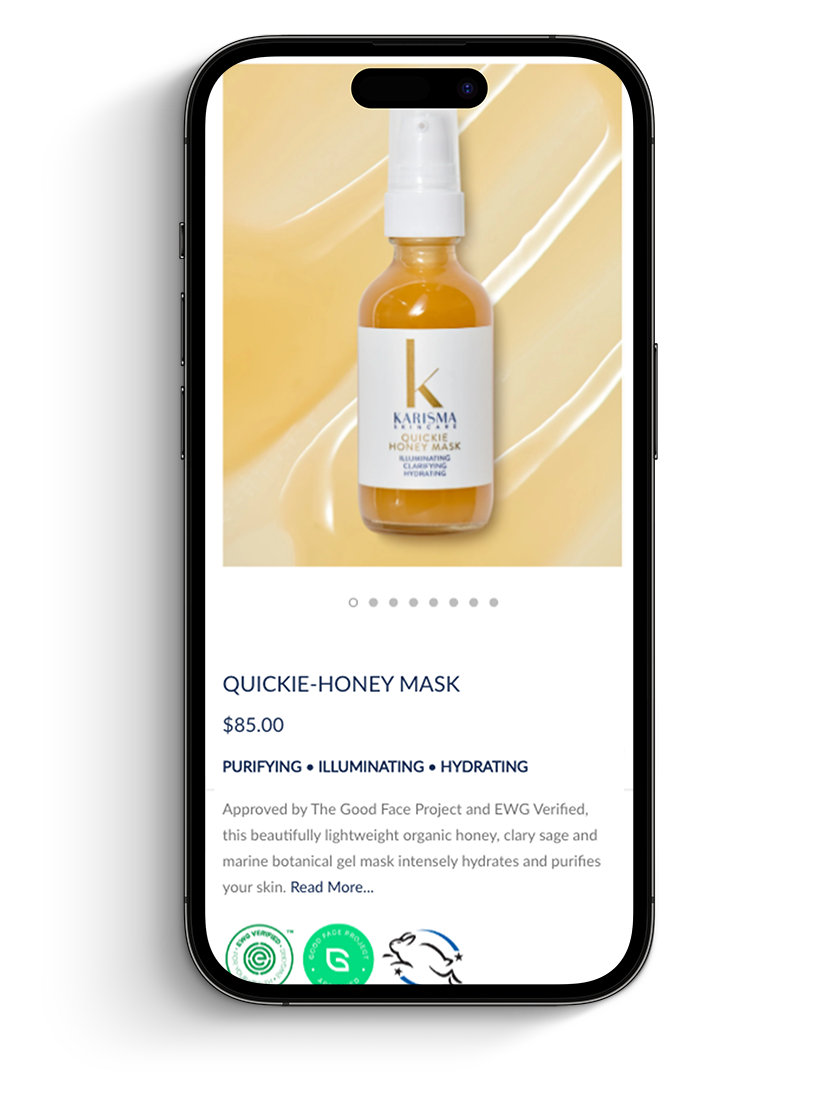
+52% add-to-cart rate on the redesigned product page.
View project
+38% demo requests after the UX rebuild.
View project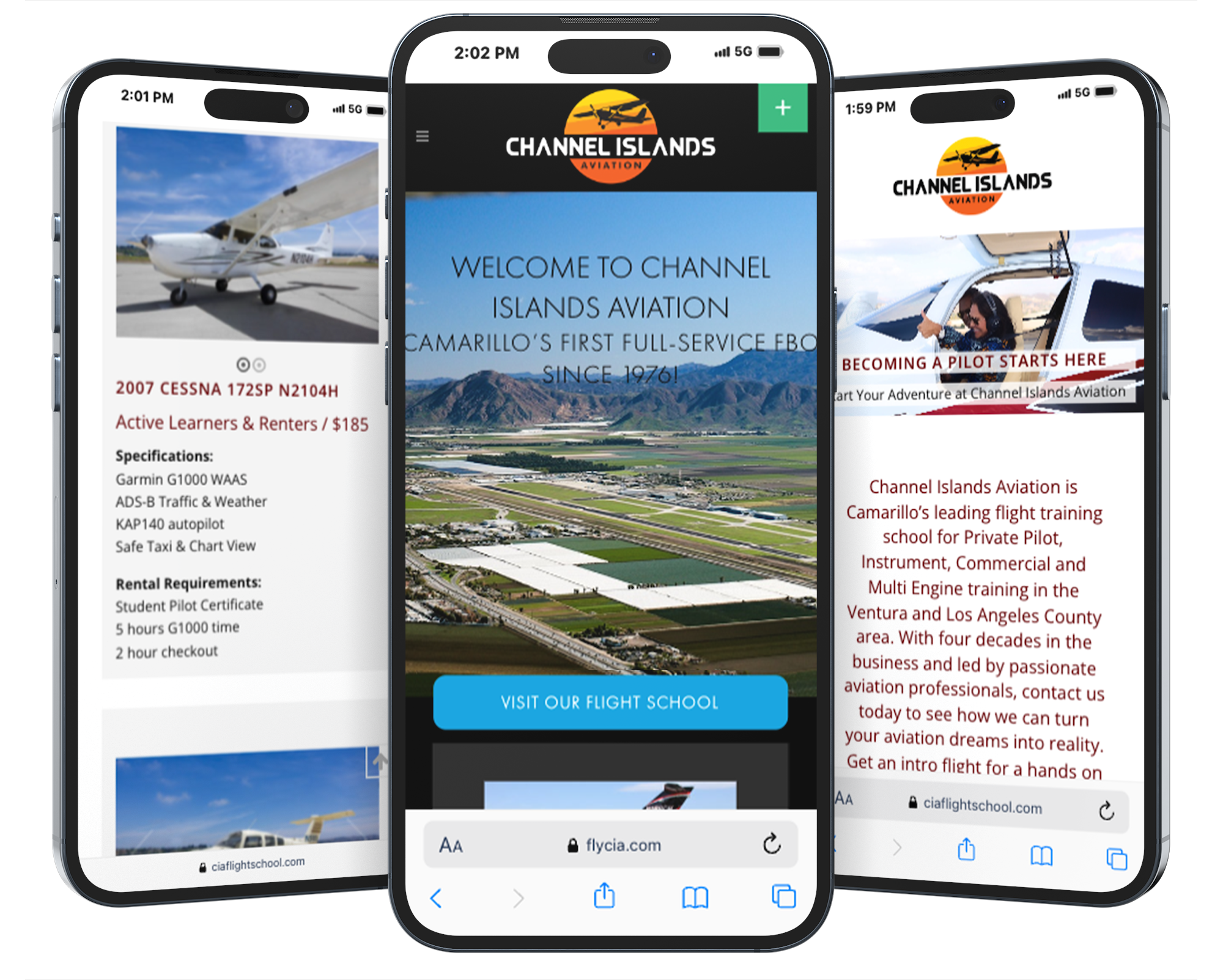
Two audiences unified into one clearer digital experience.
View projectYou can start with design if the positioning and audience decisions are already made and defensible. If they aren’t, we’ll notice quickly and either fold a mini-strategy pass into the engagement or pause and run the sprint first.
Yes to one page — especially if the homepage or another critical page is where the drop-off is happening. We usually recommend building the design system alongside it so expansion later remains consistent.
We handle brand evolution as part of web design when needed, including refinement of color, typography, logo application, and digital expression. For a full identity overhaul, we can coordinate with a specialist brand partner.
Yes. The handoff package is designed to work with Built, an internal engineering team, or another development partner. Shared files, specs, tokens, and components keep implementation clear.
Tell us what isn’t working — the page, the conversion path, or the way the experience reads against the competition.