Enterprise Technology
Digital experiences for organizations with multiple audiences, complex systems, distributed content ownership, and products that need to make sense across marketing, sales, support, and product teams.
Web design and digital strategy for enterprise technology, SaaS, consumer electronics, industrial products, and technical catalogs where buyers need accurate answers fast.

Technology websites fail when they make the customer do the translation. Internal product language, feature lists, technical specifications, platform terminology, and organizational structure get pushed directly onto the site — leaving the buyer to figure out what matters and how everything connects.
The more sophisticated the product, the more important clarity becomes. An engineer may need dimensions, compatibility, certifications, or a downloadable spec sheet. Procurement may need confidence in support, supply, security, or implementation. An executive buyer wants to understand the business value quickly. A consumer wants to know which product is right for them without reading an engineering document. The same website often has to serve all of them.
That means the work is not simply visual design. Product taxonomy, message hierarchy, information architecture, technical content, search, filters, comparisons, documentation, ecommerce, CRM, analytics, and content management all shape whether a technology site works. When those pieces are disconnected, even a technically impressive product can become difficult to evaluate.
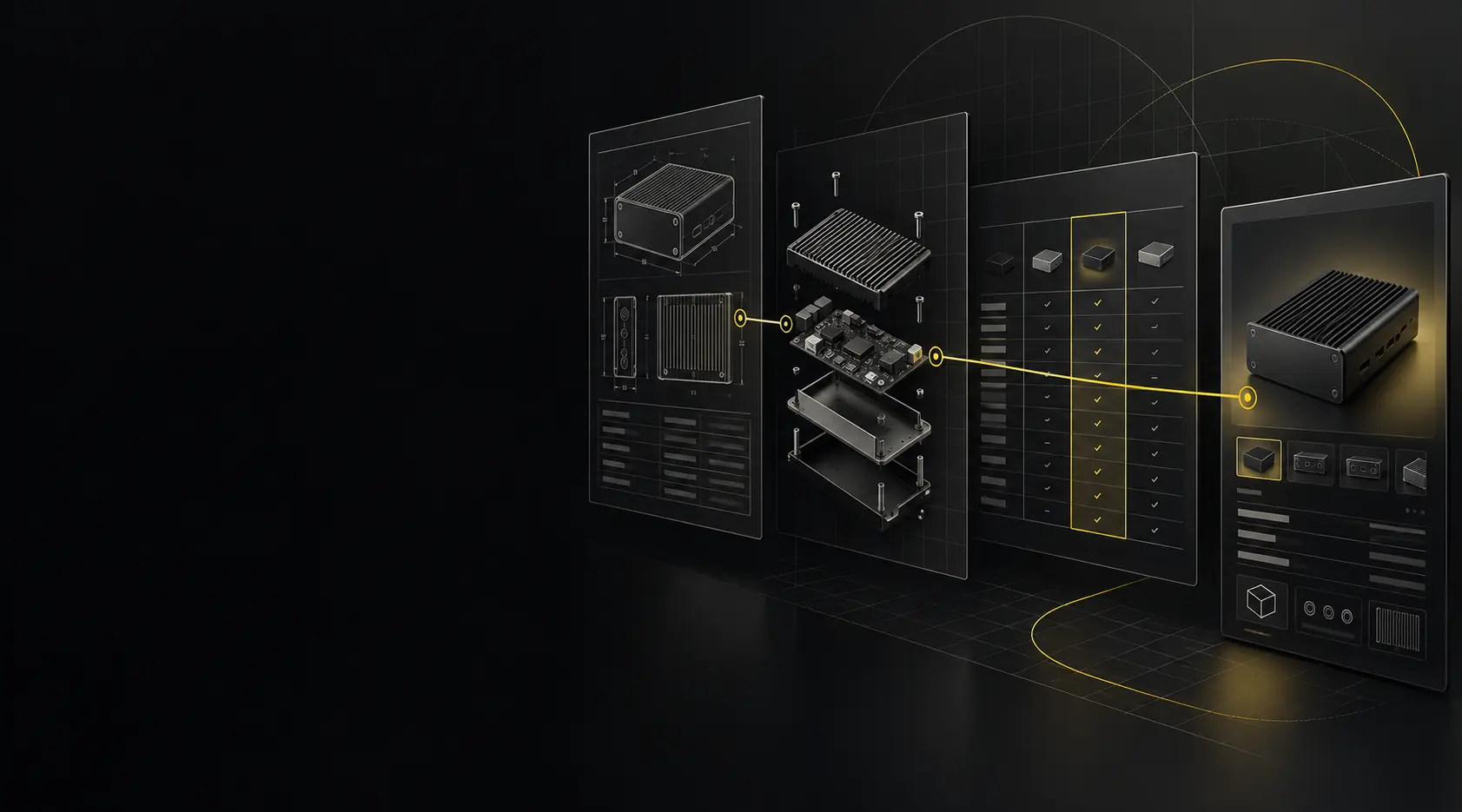
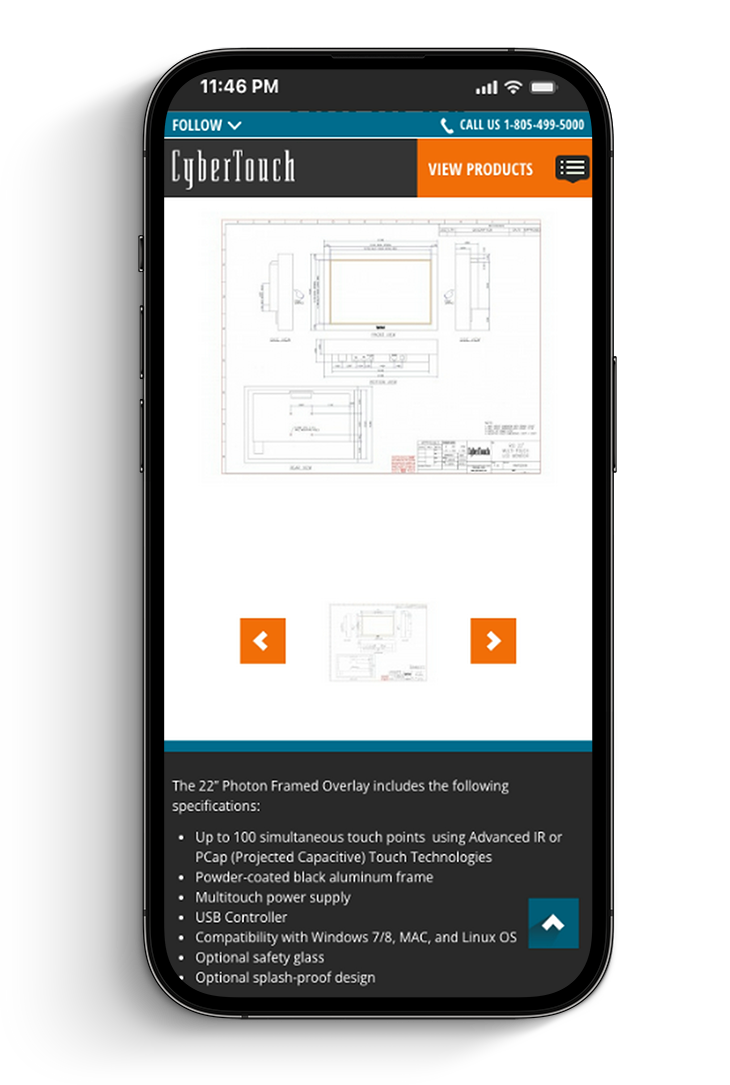
The product catalog needed to do more than display technical products. The work reorganized discovery around how buyers search, compare, and evaluate touchscreen technology — connecting technical content, product structure, and ecommerce into a clearer experience.
Digital experiences for organizations with multiple audiences, complex systems, distributed content ownership, and products that need to make sense across marketing, sales, support, and product teams.
Websites that turn feature complexity into a clearer story — helping prospects understand what the product does, who it is for, how it fits their workflow, and why it is different.
Product experiences that balance technical detail with usability, from comparison and compatibility information to specifications, accessories, support content, and ecommerce.
Sites for technical products where buyers need exact answers — specifications, drawings, certifications, use cases, configuration details, and a credible path to sales or distribution.
We learn the business, audience, competitive context, and the decisions customers need to make.
We shape positioning, content hierarchy, conversion paths, and a visual system built for the market.
We develop the experience, connect the required systems, and build search and measurement into the foundation.
We launch, measure performance, improve conversion paths, and expand visibility as the business evolves.
Magento + clearer product discovery
View project
Modernized site + product experience
View project
Premium charter positioning, a conversion-focused rebuild, and a custom quote experience.
View projectWe separate the information into layers. The first layer makes the product, audience, and value clear quickly. Deeper layers provide specifications, compatibility, use cases, technical documentation, comparisons, and other detail for buyers who need it. The goal is not to remove complexity — it is to give people the right amount of complexity at the right point in their evaluation.
Yes. Existing specifications, product databases, PDFs, engineering documentation, spreadsheets, PIM data, and sales materials are often the starting point. We identify what belongs directly on product pages, what should remain downloadable, how the information should be structured, and where content gaps are creating friction for buyers.
Yes, and many technology sites have to. Good information architecture lets different audiences follow different depths of information without creating completely separate experiences. An executive buyer can understand the value quickly while an engineer can continue into specifications, documentation, compatibility, or implementation detail.
Yes. We work on product taxonomy, categories, filters, site search, comparison, product-detail pages, accessories, related products, ecommerce, and technical content. The structure is designed around how customers actually identify and evaluate the right product rather than simply mirroring an internal catalog database.
Technical visibility starts with structure. We make product relationships, specifications, categories, use cases, terminology, and supporting content understandable to both conventional search engines and AI answer systems. That includes technical SEO, schema, internal linking, content architecture, and pages designed around the specific questions buyers ask while researching.
Yes. Depending on the engagement, that can include CMS platforms, ecommerce systems, CRM, analytics, marketing automation, search platforms, product-data systems, forms, APIs, and other internal tools. We first determine which systems should remain authoritative and then design the customer experience around clean data and manageable workflows.
Clear strategy, credible design, and a connected digital system built around how your customers decide.