
Dental Practices
Patient-friendly websites that make services, providers, insurance information, treatment options, and appointment paths easier to understand before someone ever calls the office.
Web design, local SEO, UX, content, scheduling, and digital strategy for dental practices, medical specialists, referral-driven practices, and multi-location healthcare groups.

For medical and dental practices, the website is often the first real patient experience. A referral may introduce the name, Google may surface the practice, or an insurance directory may point someone in the right direction — but the website is where patients decide whether the practice feels credible, current, approachable, and worth contacting.
Patients evaluate a practice differently than most commercial buyers. They look for provider credentials, treatment expertise, reviews, before-and-after results, insurance information, location, appointment availability, and reassurance that the experience will feel professional and comfortable. On mobile, they expect to find those answers quickly. If the site is difficult to navigate or feels dated, that friction becomes part of how they perceive the practice itself.
Search is equally important. Many patient journeys begin with highly specific local intent: a procedure, condition, specialty, provider, or treatment paired with a city or neighborhood. Strong practice SEO therefore depends on more than a homepage and a handful of service pages. The site needs clear treatment architecture, provider information, local relevance, useful educational content, technical SEO, internal linking, and a path from search intent to appointment.
Our site was old and clunky. It did not give prospective patients a feeling of comfort and professionalism. We couldn’t be happier with our new site.
Patient-friendly websites that make services, providers, insurance information, treatment options, and appointment paths easier to understand before someone ever calls the office.
Digital experiences for specialty practices where credentials, expertise, conditions treated, procedures, referrals, and patient confidence need to be established quickly.
Search and UX architecture that helps patients find the right provider, service, and office while giving the organization a scalable structure for local pages and future growth.
Websites that support both referring providers and patients with clearer service pathways, professional credibility, educational content, and conversion points built around real referral behavior.
We learn the business, audience, competitive context, and the decisions customers need to make.
We shape positioning, content hierarchy, conversion paths, and a visual system built for the market.
We develop the experience, connect the required systems, and build search and measurement into the foundation.
We launch, measure performance, improve conversion paths, and expand visibility as the business evolves.
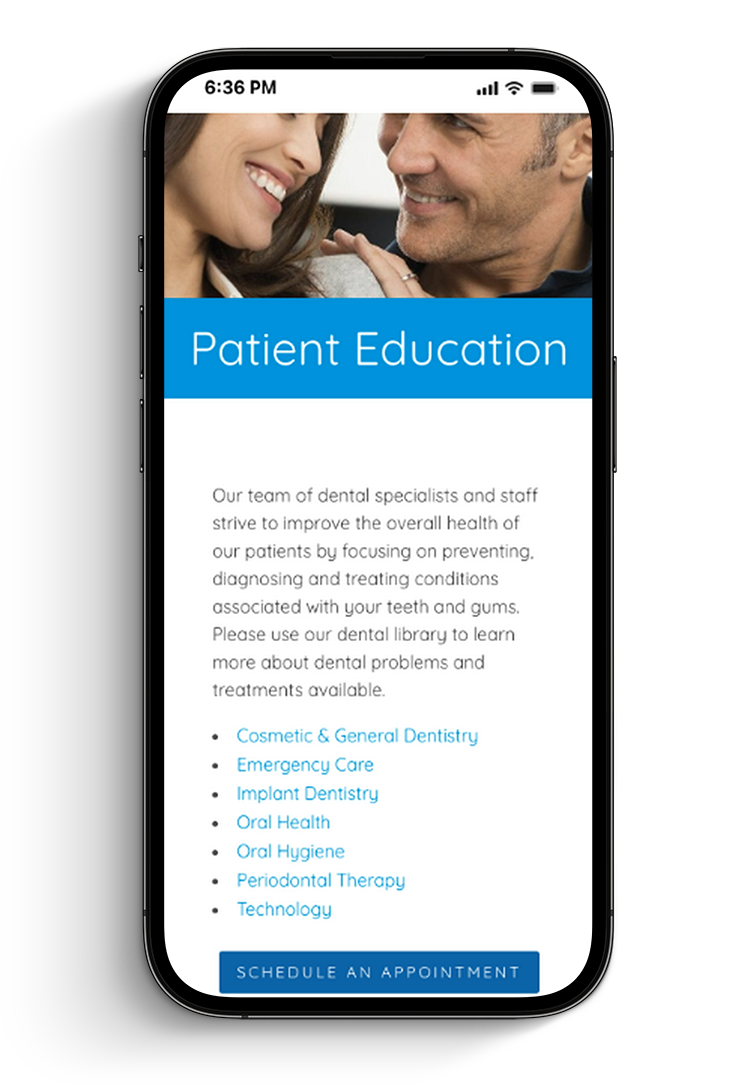
+45% increase in online appointment bookings
View project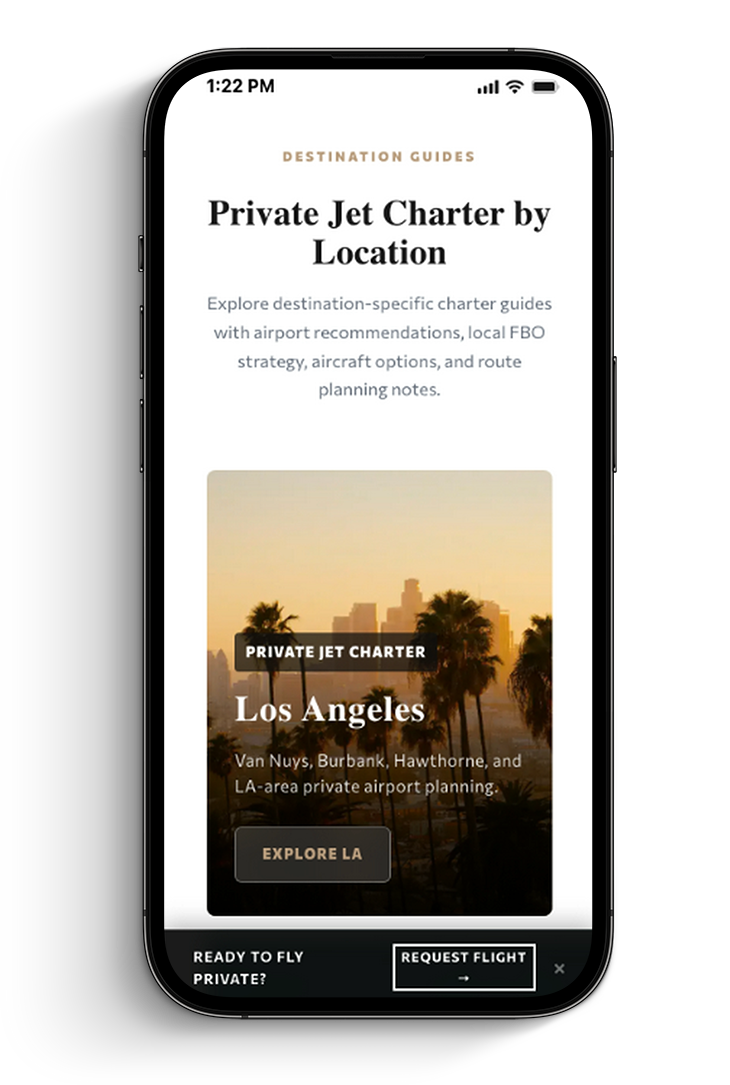
Premium charter positioning, a conversion-focused rebuild, and a custom quote experience.
View project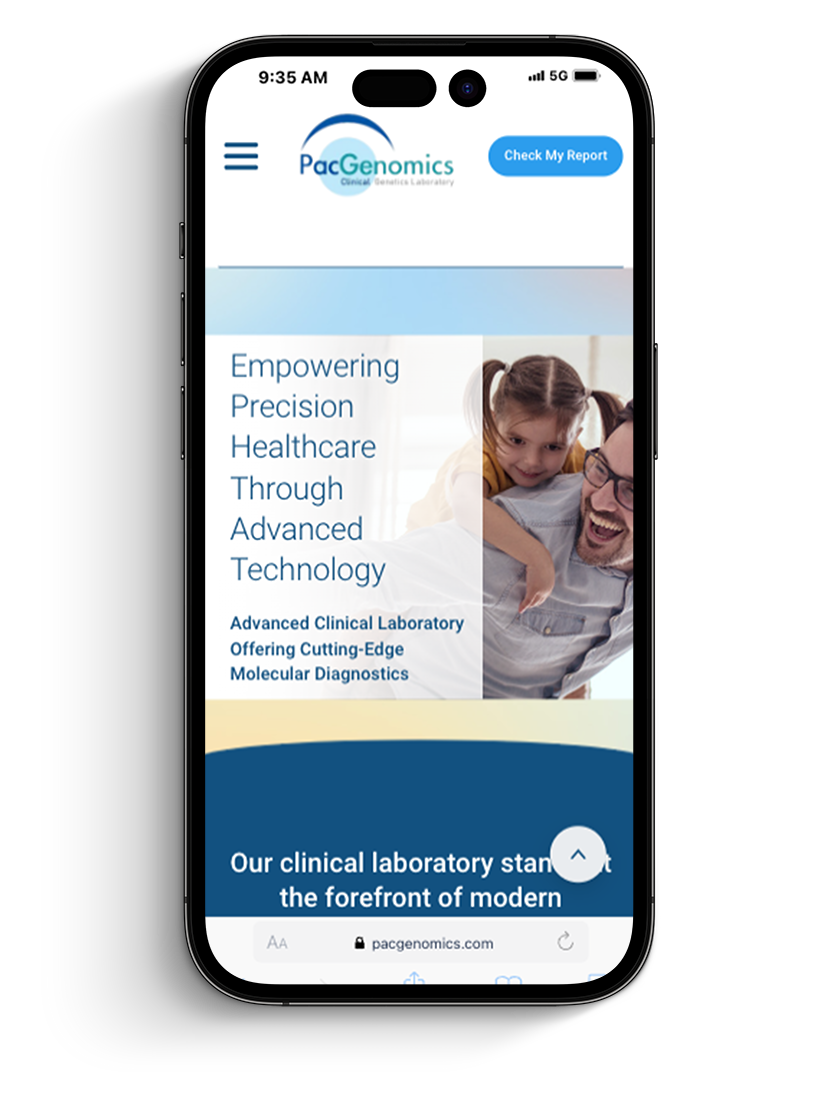
An eight-week strategy, rebrand, and site rebuild for a complex scientific offer.
View projectPatients are making a trust-based decision about their health, comfort, time, and money. They look for very specific credibility signals such as provider credentials, treatment expertise, patient results, reviews, insurance information, educational content, location, and appointment availability. The website has to communicate those signals clearly while making the path to scheduling simple.
Yes. Conversion improvement can include clearer calls to action, better service-page structure, mobile usability, simplified navigation, stronger provider and treatment credibility, better placement of scheduling options, targeted landing pages, and analytics that show where patients are dropping out. For Dental Offices of Steven Leach, online appointment bookings increased 45% after the redesign.
Yes. Local search strategy can include service and treatment pages, provider pages, location architecture, internal linking, technical SEO, schema, Google Business Profile alignment, content strategy, and landing pages built around meaningful local search intent. Dental Offices of Steven Leach saw a 60% increase in organic traffic within the first six months and reached positions 1–3 for multiple local keywords.
Yes. Multi-location practices need a structure that separates office-specific information without creating thin or repetitive pages. We design location, provider, service, and treatment architecture together so patients can find the right office while search engines can clearly understand the relationship between locations and services.
Yes. We can integrate existing scheduling systems, appointment request tools, forms, CRM platforms, analytics, and other practice systems where the available technology supports it. The goal is to make those tools feel like part of the patient journey rather than disconnected third-party experiences.
Patients increasingly use AI tools to research conditions, procedures, specialists, treatment options, and local providers. Clear provider entities, detailed treatment information, location data, FAQs, structured data, authoritative content, and consistent practice information can help AI-powered search systems understand what the practice does and when it may be relevant.
Clear strategy, credible design, and a connected digital system built around how your customers decide.