
Legal Services
Credibility-first websites that make expertise, practice areas, attorneys, insights, and the path to consultation clear without making a sophisticated firm feel generic.
Web design, SEO, AI search optimization, content strategy, and digital experiences for attorneys, accountants, financial advisors, consultants, and expert-led professional services firms.

Professional services websites have a different job than most commercial sites. There is no physical product to inspect, feature table to compare, or cart to complete. The product is expertise, judgment, experience, and trust. A prospect has to decide whether the people behind the firm are capable of solving an important problem before they have ever spoken with them.
That makes credibility the central design problem. Credentials matter, but credentials alone rarely differentiate one firm from another. Prospects also look for relevant experience, clear thinking, industry fluency, a defined process, useful insights, evidence of results, and signs that the firm understands the specific situation they are facing. The website has to surface those signals quickly without turning into a wall of claims and biographies.
Professional services firms also tend to organize websites around themselves: departments, practice groups, internal terminology, partner structures, and long lists of capabilities. Prospects usually arrive with a different mental model. They have a problem, an opportunity, a transaction, a question, or a risk they need help navigating. Strong information architecture connects those two views of the business.
Sunlit Interiors needed a digital experience that made a highly personalized professional service easier to understand and choose. The work connected positioning, service structure, customer journey, visual presentation, and conversion into one clearer experience.
Credibility-first websites that make expertise, practice areas, attorneys, insights, and the path to consultation clear without making a sophisticated firm feel generic.
Digital experiences that organize complex services around the questions businesses and individuals actually have — not the internal structure of the firm.
Trust-driven websites that communicate philosophy, expertise, services, client fit, and differentiation while supporting longer consideration cycles and compliance requirements.
Positioning and digital experiences that turn expertise into a clear point of view, make complex engagements easier to understand, and give prospects a reason to start a conversation.
We learn the business, audience, competitive context, and the decisions customers need to make.
We shape positioning, content hierarchy, conversion paths, and a visual system built for the market.
We develop the experience, connect the required systems, and build search and measurement into the foundation.
We launch, measure performance, improve conversion paths, and expand visibility as the business evolves.
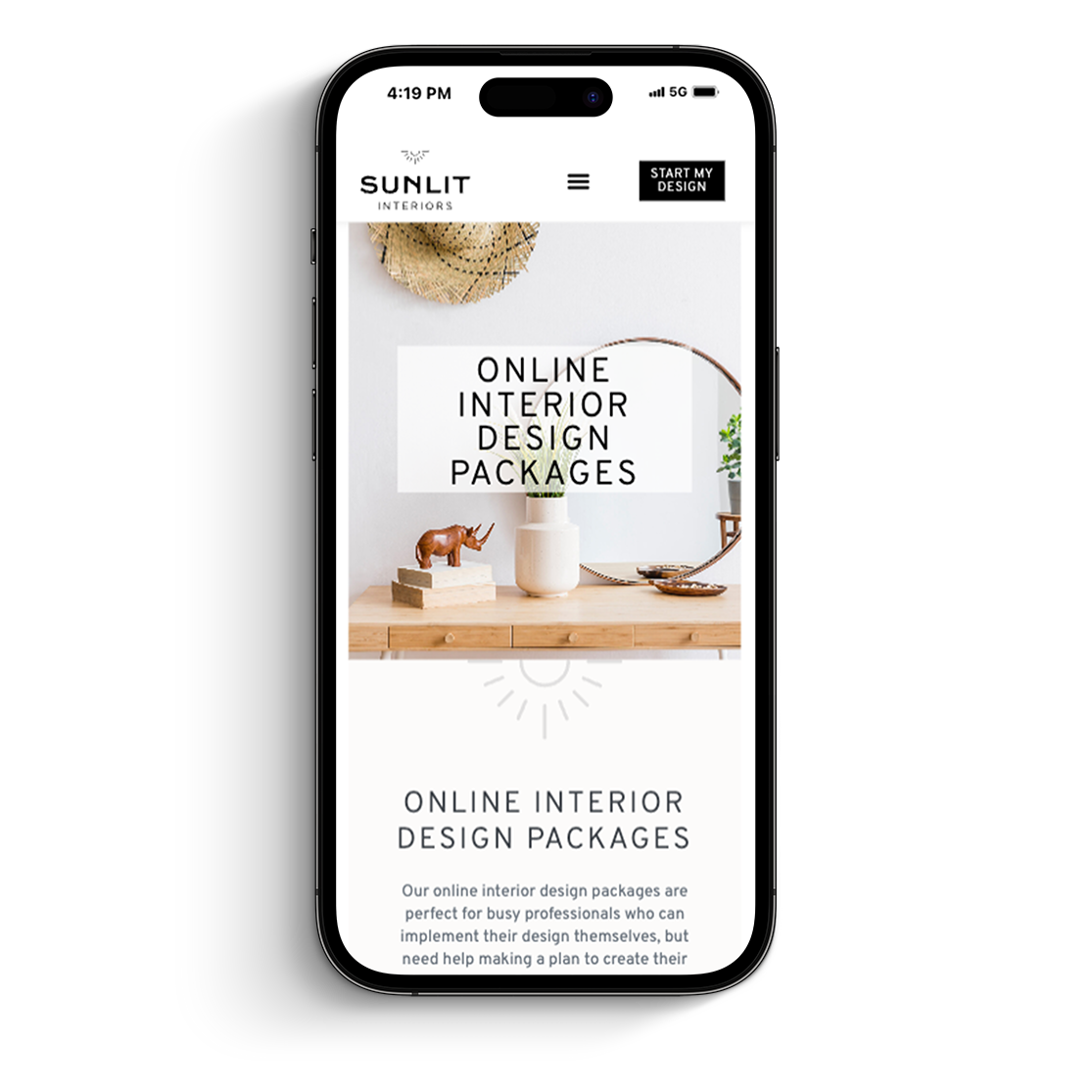
Complex expertise translated into a clearer client experience
View project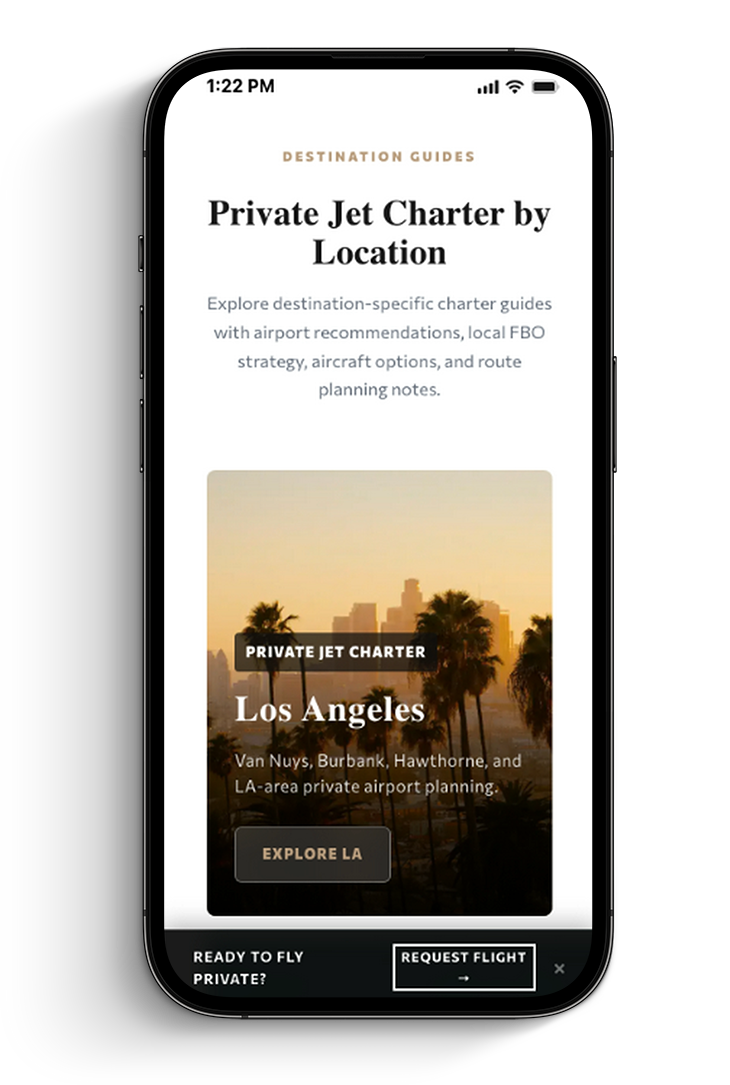
Premium charter positioning, a conversion-focused rebuild, and a custom quote experience.
View project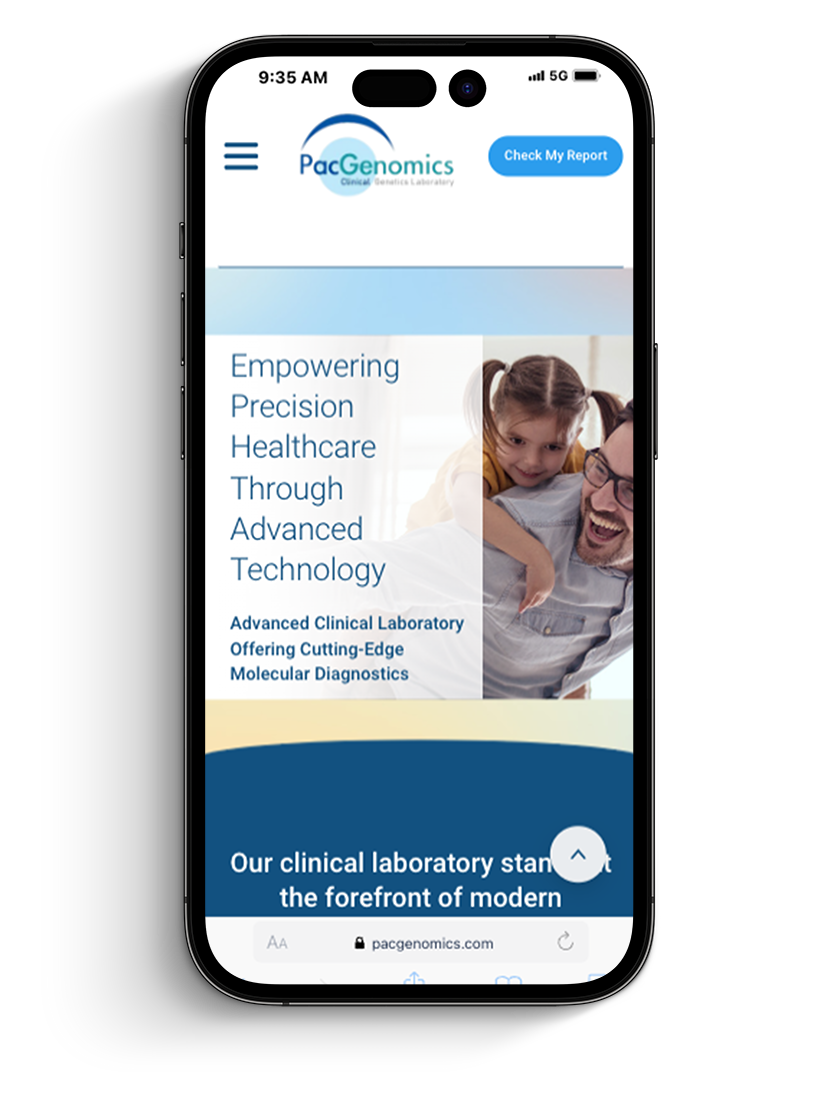
An eight-week strategy, rebrand, and site rebuild for a complex scientific offer.
View projectProfessional services firms sell expertise, judgment, and trust rather than a standardized product. That means the website has to establish credibility, demonstrate relevant experience, explain services clearly, communicate who the firm is best suited to help, and reduce uncertainty around what happens after a prospect makes contact.
Yes. These businesses have different regulatory and content requirements, but the buying behavior has important similarities: sophisticated prospects, high-consideration decisions, longer sales cycles, and a strong need for credibility before the first conversation. We adapt the positioning, architecture, proof, content, UX, and conversion strategy to the specific firm rather than applying a generic professional-services template.
Yes. This is often one of the most valuable parts of the engagement. We look at how prospects understand the problem, how they search, what they need to know before contacting the firm, and where services overlap. From there we can reorganize capabilities into a clearer structure without losing the sophistication behind them.
Specific proof is more persuasive than adjectives. Relevant experience, case studies, client outcomes, credentials, methodologies, industry expertise, useful insights, and clearly articulated points of view do more credibility work than repeatedly describing the firm as experienced, trusted, innovative, or client-focused.
Yes. Search strategy can include service pages, industry pages, problem-based content, attorney or advisor profiles, local visibility where relevant, technical SEO, internal linking, schema, thought leadership, and content built around the questions prospects ask during research and evaluation. The goal is qualified visibility, not traffic for its own sake.
AI answer engines are becoming part of how prospects research firms, compare options, understand unfamiliar issues, and identify experts. Clear service architecture, authoritative subject-matter content, well-defined expert profiles, case studies, FAQs, structured data, and consistent relationships between the firm's people, expertise, industries, and services help AI systems understand what the firm knows and when it may be relevant.
Clear strategy, credible design, and a connected digital system built around how your customers decide.